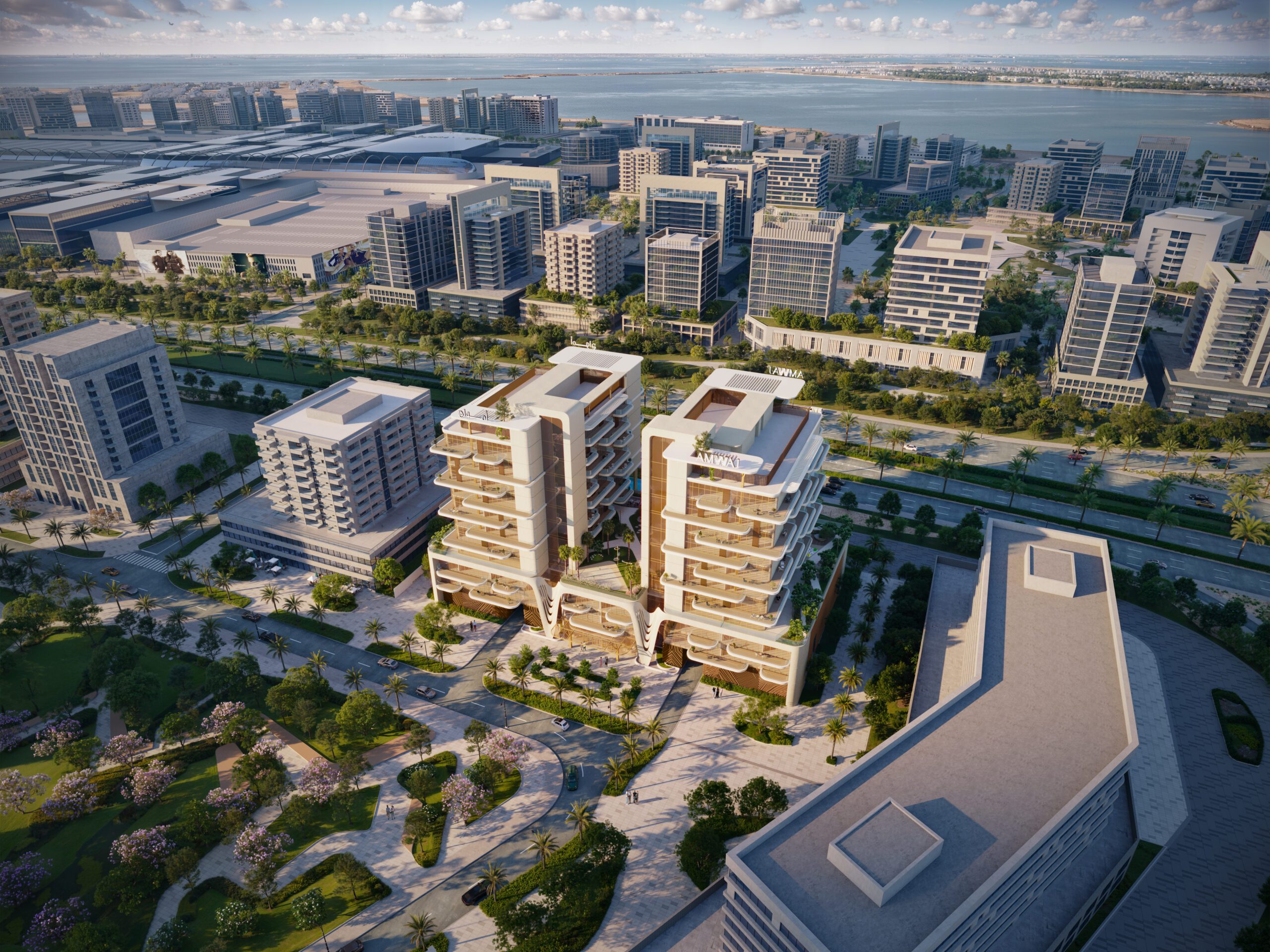
Dubai’s real estate market has always evolved in phases. First came Downtown and Marina, then gated communities, and now the next wave is clearly emerging:
👉 Waterfront-driven development.
But what’s important in 2026 is this:
This is no longer just about lifestyle appeal.
It’s about scarcity, positioning, and long-term capital value.
Demand for Dubai waterfront apartments is increasing—not because they are luxurious, but because they are finite.
In real estate, scarcity is what ultimately drives prices.
Unlike inland developments, waterfront assets are constrained by their geographical location. You cannot “create more coastline” indefinitely.
This creates a unique supply-demand dynamic:
In markets like Miami, Monaco, and London, waterfront properties have historically outperformed inland assets—not due to short-term demand, but because of long-term positioning.
Dubai is now entering that same phase.
Waterfront property behaves less like real estate—and more like a long-term wealth asset.
For years, Palm Jumeirah dominated the waterfront narrative. But as pricing matured, the next question became:
👉 Where is the next waterfront expansion happening?
The answer is clear: Dubai Islands.
This is not a small-scale project—it’s a master-planned coastal ecosystem, designed to redefine waterfront living in Dubai.
Unlike older waterfront zones, the Dubai Islands are still in their early development phase, which is exactly where investment opportunities exist.
The best returns in real estate are rarely found in fully developed destinations—they are found in emerging ones.
In 2026, serious investors are not just looking at “prime locations.”
They are targeting future prime locations.
Waterfront zones like the Dubai Islands are attracting:
Why?
Because entry pricing is still below long-term market value expectations.
When a new waterfront destination launches, pricing follows a predictable cycle:
Most buyers enter Phase 2 or 3.
Smart investors enter Phase 1.
Profit is not created by buying property—it is created by buying at the right stage of development.
There’s a clear distinction between:
The latter offers:
These factors influence:
However, beachfront supply is inherently limited—and once prime inventory is absorbed, pricing accelerates.
Waterfront developments are not just about location—they are about execution.
A poorly executed project in a strong location can still underperform.
This is why developer credibility is critical.
Investors today evaluate:
In emerging zones like the Dubai Islands, developer selection directly impacts:
👉 Investor Insight:In growth markets, developer strength can influence returns as much as location.
No investment is without risk—especially in early-stage developments.
Risk in early-stage markets is real—but so is the upside. The advantage lies in controlled entry.
In 2026, experienced investors are not chasing fully developed waterfront zones.
Instead, they are:
Many are also adopting a portfolio approach:
Within the Dubai Islands ecosystem, Kaia Residences represents:
Rather than viewing it as just another luxury development, it is more accurate to see it as:
👉 A timing-driven investment within a developing waterfront market
This positioning is important because early-stage projects in growth zones often offer the most favorable entry conditions.
If you’re evaluating Dubai waterfront apartments, follow a structured decision framework:
Successful investors plan their exit before they enter.
If you are actively exploring Dubai waterfront apartments, it’s important to focus on opportunities aligned with market fundamentals—not just listings.
👉 You can explore relevant options here:
https://amwaj-development.com/projects/
Dubai’s waterfront expansion is entering a critical phase.
This combination creates a limited investment window.
Once the market matures:
The difference between average and exceptional returns often comes down to timing—entering before the market fully recognizes value.